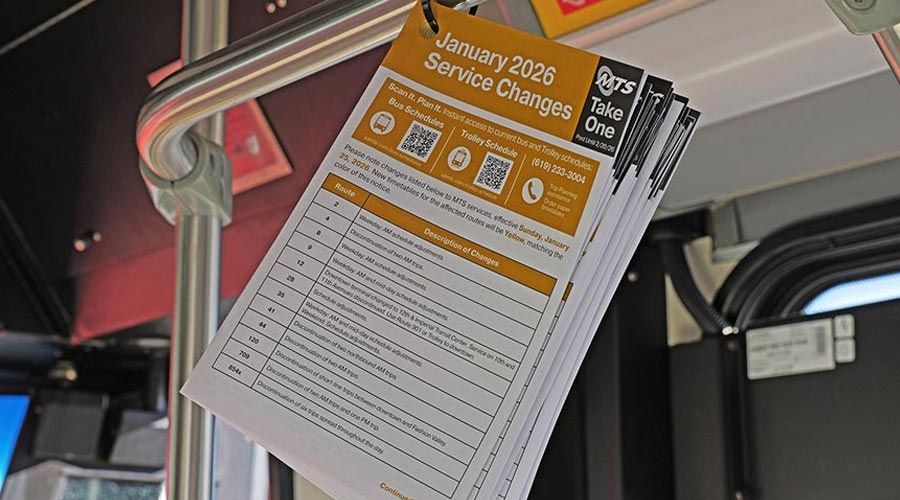
Three times a year, "Take Ones" appear on MTS vehicles, outlining changes to any number of MTS routes, from minor to major service modifications. While changes to the schedule are the most public-facing impact of these service notices, one of the primary drivers for the changes are actually the bus drivers themselves.
The scheduled changes allow drivers to "shake-up" their routine, and bid on new work schedules and routes to operate three times a year. Twice right at the start and end of summer, and then another shake-up midway between those service changes, typically in late January.
In order to maximize service efficiency and simplify changes for riders and MTS operators, our planning and scheduling team uses the three shake-up times to also optimize MTS service.
Oftentimes, planning will be looking at metrics like on-time performance, and determining how to keep routes on schedule more reliably. They may be looking for specific times of day when service is operating better or worse than expected. They will also consider feedback from community members and leaders, like a request for stop addition or removal.
"We're constantly looking at ways to improve," says Brent Boyd, Director of Planning and Scheduling. "Reducing service that isn't well used or increasing service where we see more ridership. With service changes, the planning team will be looking for ways to make the system run better and more efficiently."
Future Service Changes
With our upcoming service change MTS had an additional priority lens to consider: opportunities to reduce costs. With a pending budget shortage of more than $100 million annually in a few years, tightening our belt wherever possible will become more of a priority.
Much of the recent savings (about $4 million) from the January 2026 service changes came through two main strategies:
- Reducing duplicate service: Several of the major changes in this shake-up didn’t have anything to do with frequencies at all, but rather, terminal changes. In downtown San Diego, there is a lot of duplicate bus service running along 10th and 11th Avenues, and the Trolley also offers service just one block away on Park Blvd. By truncating service for several routes at 12th & Imperial, rather than going all the way through downtown, the agency expects to recover almost $1.5 million in operating costs.
- Adjusting to travel patterns: Another million dollar savings was found through removing some morning trips throughout the system. In general, MTS has been seeing recent travel pattern changes, with fewer people using bus service in the morning, and more frequent use in the afternoon. Using this intel, the team identified several routes and morning trippers that could be consolidated into less frequent service, while still maintaining ridership capacities.
With January’s service changes behind us, the planning and scheduling teams will soon turn their attention to the June shake-up. (While changes can happen outside the three planned windows, those are usually exceptions to the rule for major projects, like the Mid-Coast Trolley extension, or September’s alignment change for Route 992 due to the new Terminal 1, for example.)
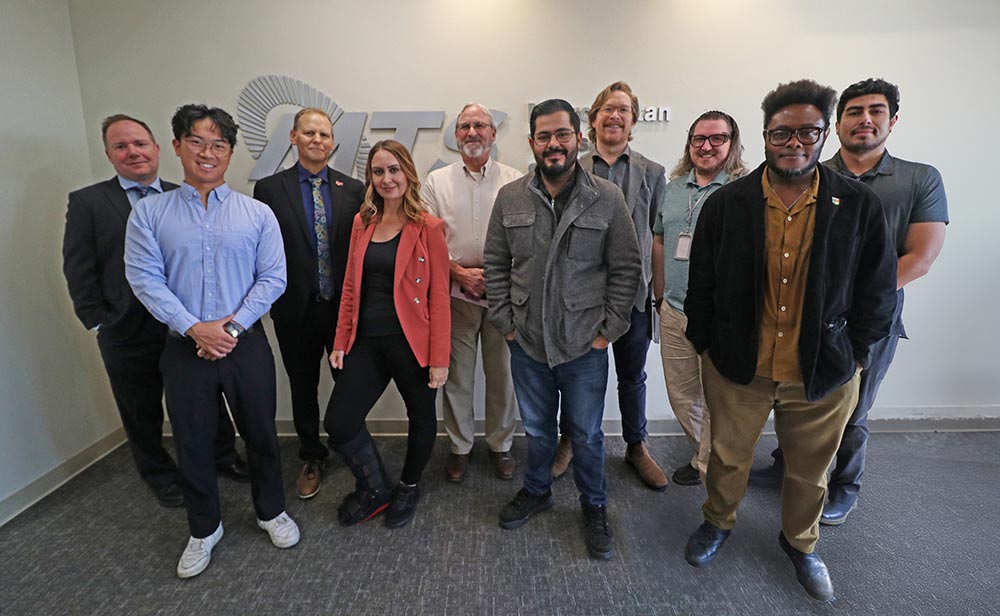
MTS Planning and Scheduling team in fall 2024
Planners often have routes overlapping in each other’s service territories, and our scheduling team is often the frontline for providing analysis on where route slowdowns and performance issues are occurring, so shake-ups are a collaborative effort.
Moving forward, discussions will also have to consider how to continue to maximize savings for the agency to help close the budget gap. “When we have to look at cost-saving measures, the goal is always to minimize impacts to riders as much as possible. There’s no way to reduce service without someone being impacted, but the goal is to try and keep as much ridership during those changes as possible,” Boyd says.
For more information on MTS's efforts to address the budget shortage, visit our OnTrack and Fare Change engagement pages. You can find future service changes here.