Economic Impact Report - Making San Diego Stronger
MTS Helps Keep San Diego's Economy Moving
MTS is a vital part of San Diego’s economy, and a new independent study by ECOnorthwest shows just how far its value reaches. In FY 2025, approximately 81.2 million trips were recorded on MTS buses and Trolleys, carrying people from across the region to work, school, sporting events, health appointments and all the places in between that keep their lives moving. Beyond ridership, MTS supports nearly 4,800 local jobs and nearly $1 billion in economic activity across San Diego County.

81.2 million
trips taken on MTS in FY 2025, the most since before the pandemic

4,790
jobs supported across San Diego county

$3.90
cost to the public per passenger, the lowest among peer systems

$940 million
in annual economic activity supported

$1.94
Total return on investment. San Diego gets $1.94 for every $1 spent by MTS

$570 million
saved each year by San Diego County households who choose transit
These figures measure different kinds of economic value and should not be added together.
San Diego Families Save $570 Million a Year by Using MTS
Gas, insurance, car payments and repairs add up fast. MTS provides families with a more affordable way to get around. Collectively, MTS riders save an estimated $570 million every year for taking transit.
- $305 million saved on gas, maintenance, repairs and tires.
- $265 million saved on car payments, insurance, registration and other ownership costs.
- About 80% of the total savings, more than $450 million, goes to households earning under $70,000.
*These estimates count only work and school trips. It does not account for medical, recreation, retail and other travel.
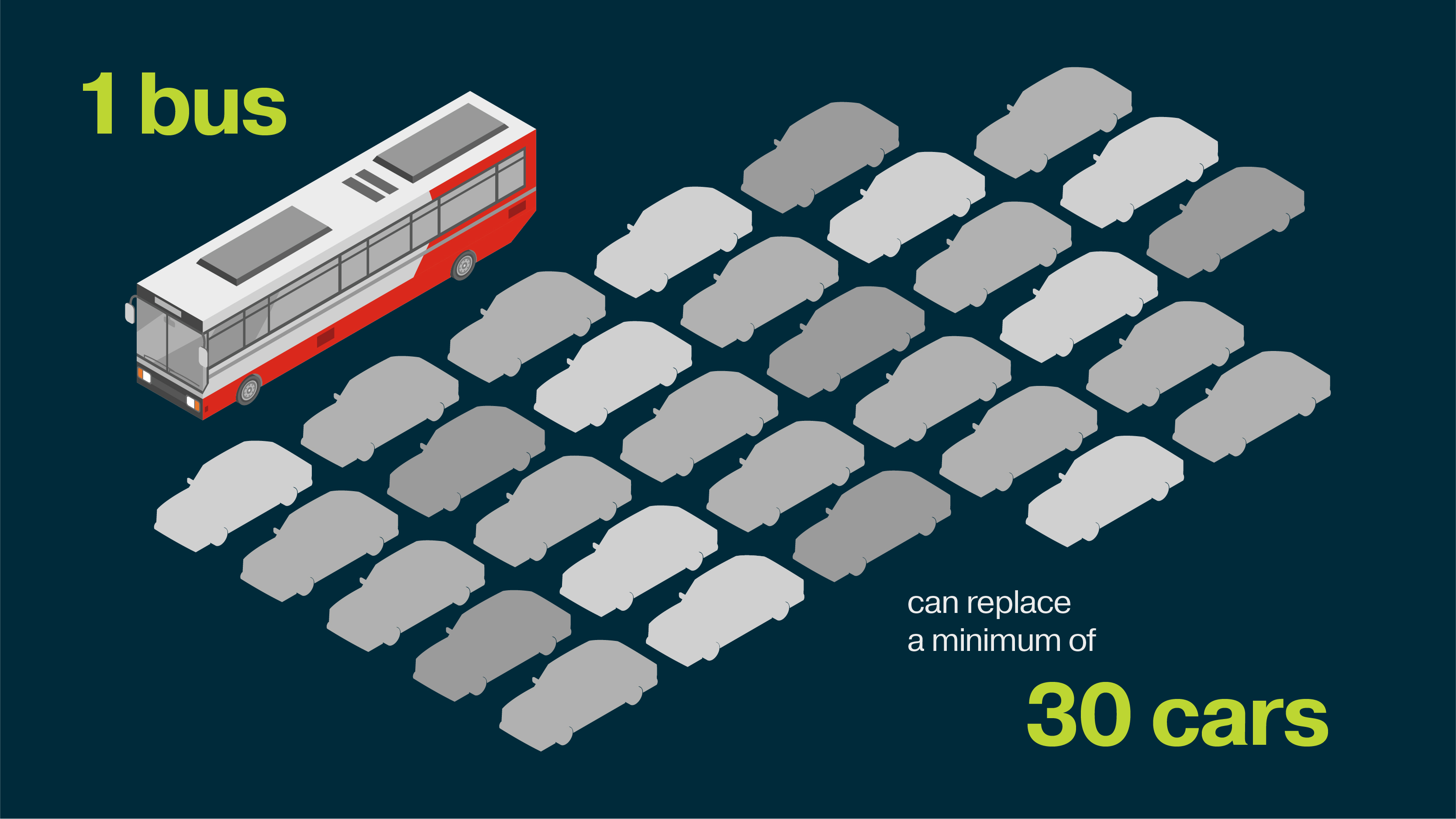
Additionally, MTS allows households to drive less and some to own fewer vehicles. Public transit provides broader community benefits by improving mobility, reducing traffic congestion, supporting public health, and increasing roadway safety.
- 33,250 fewer cars purchased that riders would otherwise need without MTS.
- 867 million automobile road miles saved due to people using MTS buses and Trolleys
Who Relies on MTS?
Getting to work and school are the most common reasons people ride MTS. For many, MTS is the main connection to a paycheck, a degree, a doctor’s appointment, a fun day in the city or a family visit.
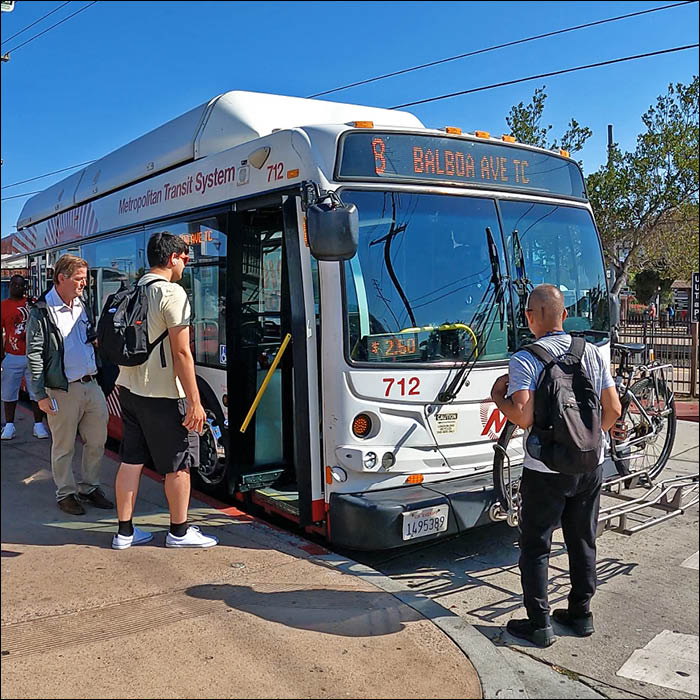
The majority of trips, 60%, are taken to work or school
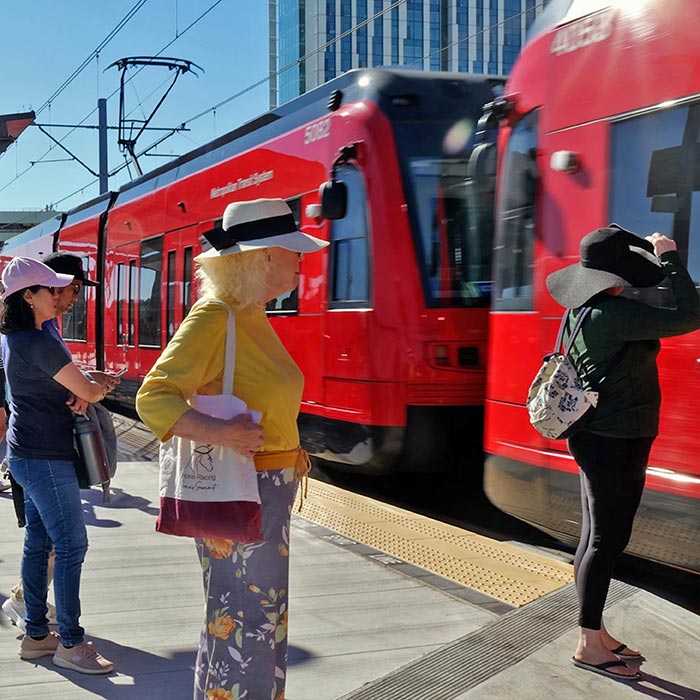
Nearly half of Trolley riders and more than half of bus riders have household incomes under $40,000
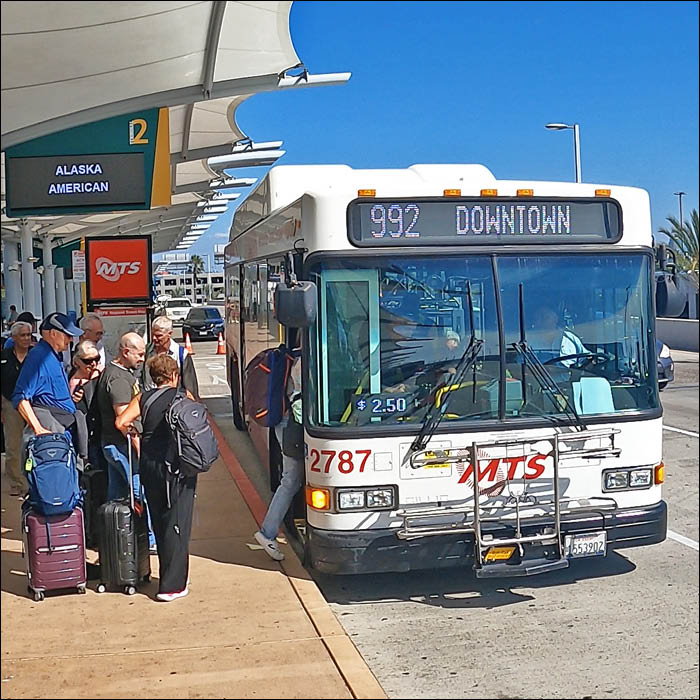
46% of Trolley riders and 32% of bus riders had a car available but chose transit
Carrying the Border Region’s Workforce
MTS helps fuel the region’s unique binational economy, with about 13% of MTS riders living in Mexico. Nearly two-thirds of those cross-border trips are to get between home and work.
How MTS Measures Up
MTS has experienced the strongest ridership growth among the like-sized transit systems, or “peers,” evaluated in the report, all while running a cost-efficient system. Compared to its peer systems, MTS carries about 17% more riders while asking taxpayers for less: it costs just $3.90 per passenger trip.

Transit is a Key Part of Helping Communities Grow and Thrive
Access to transit can help communities attract new housing, support economic growth in San Diego communities. While development also depends on land-use policies, private investment, community priorities and market conditions, the report highlights two local examples where access to transit helped spur economic benefits.
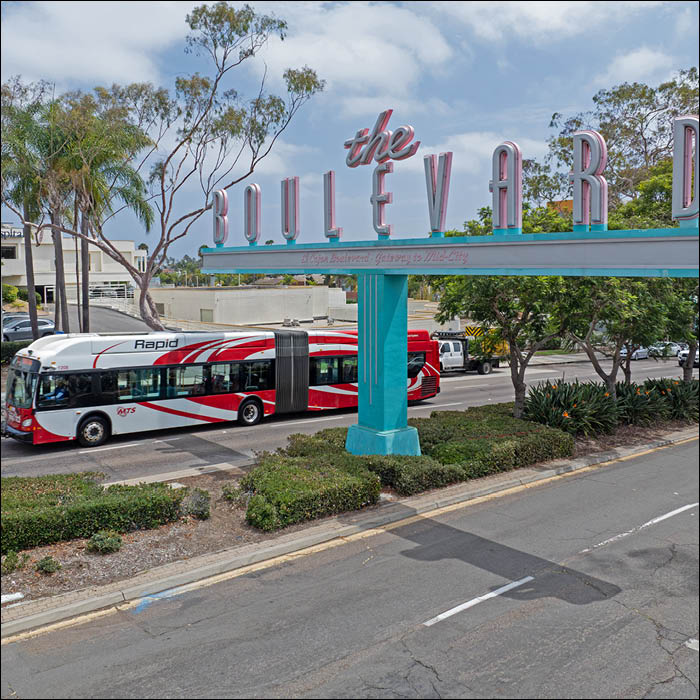
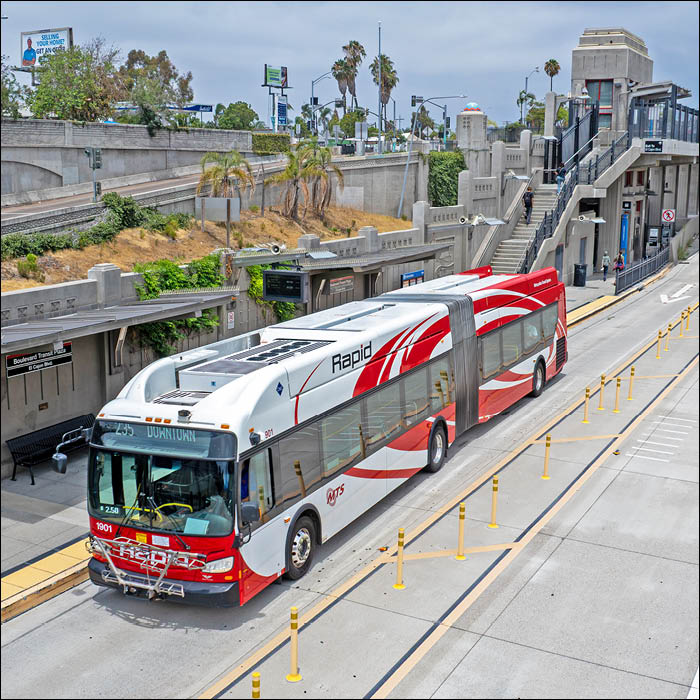
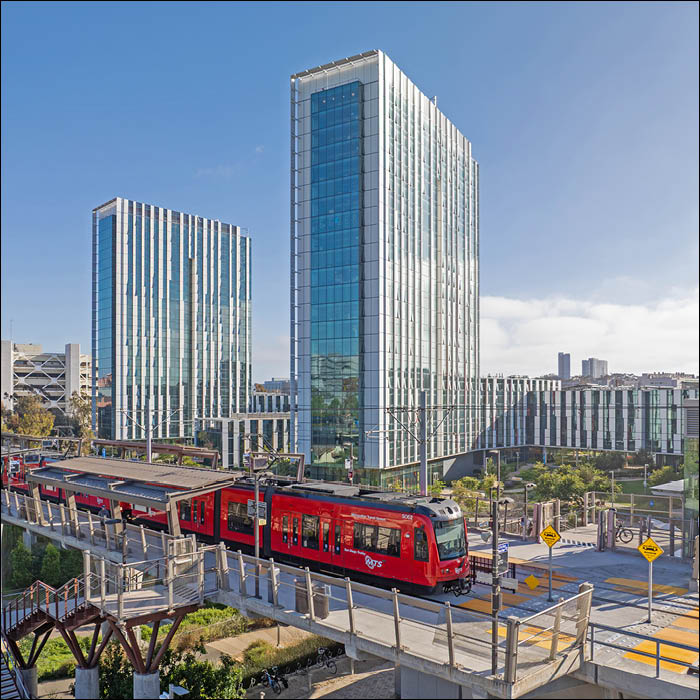
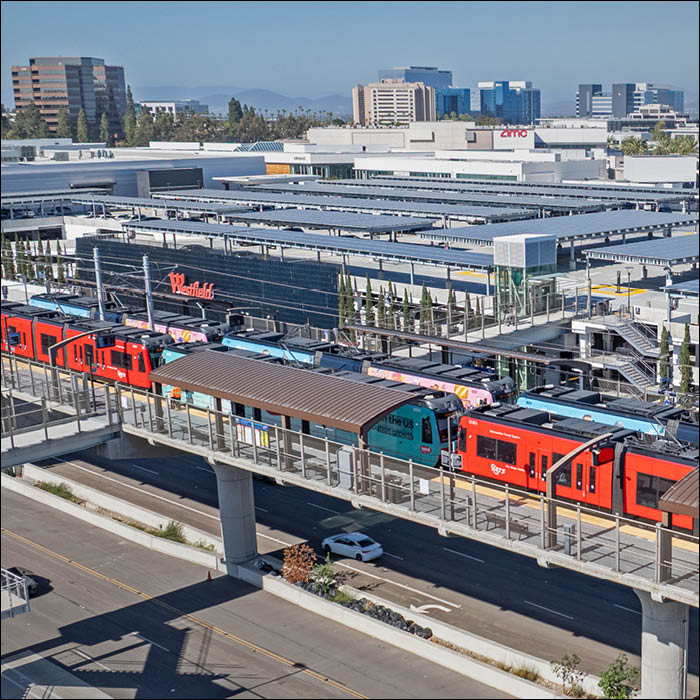
The entire region benefits from a healthy transportation system
MTS contributes to the region in more ways than one. It supports local jobs and businesses, helps households manage transportation costs, connects workers to their jobs and improves access to the places where San Diego is growing.
“For every dollar invested in MTS, our region sees nearly twice that amount in economic activity. That’s a meaningful return for San Diego. You don’t have to ride a bus or Trolley to benefit from public transit. It means fewer cars on our roads, better connections to jobs and businesses, and more opportunities for people throughout our region. As MTS Board Chair, I believe we have a responsibility to continue strengthening this system, making smart investments, and ensuring public dollars deliver results. A strong transit system makes our entire region stronger.”
Stephen Whitburn, MTS Board Chair